

Still Have Knee Pain After Knee Replacement? When GAE May Be Worth Exploring
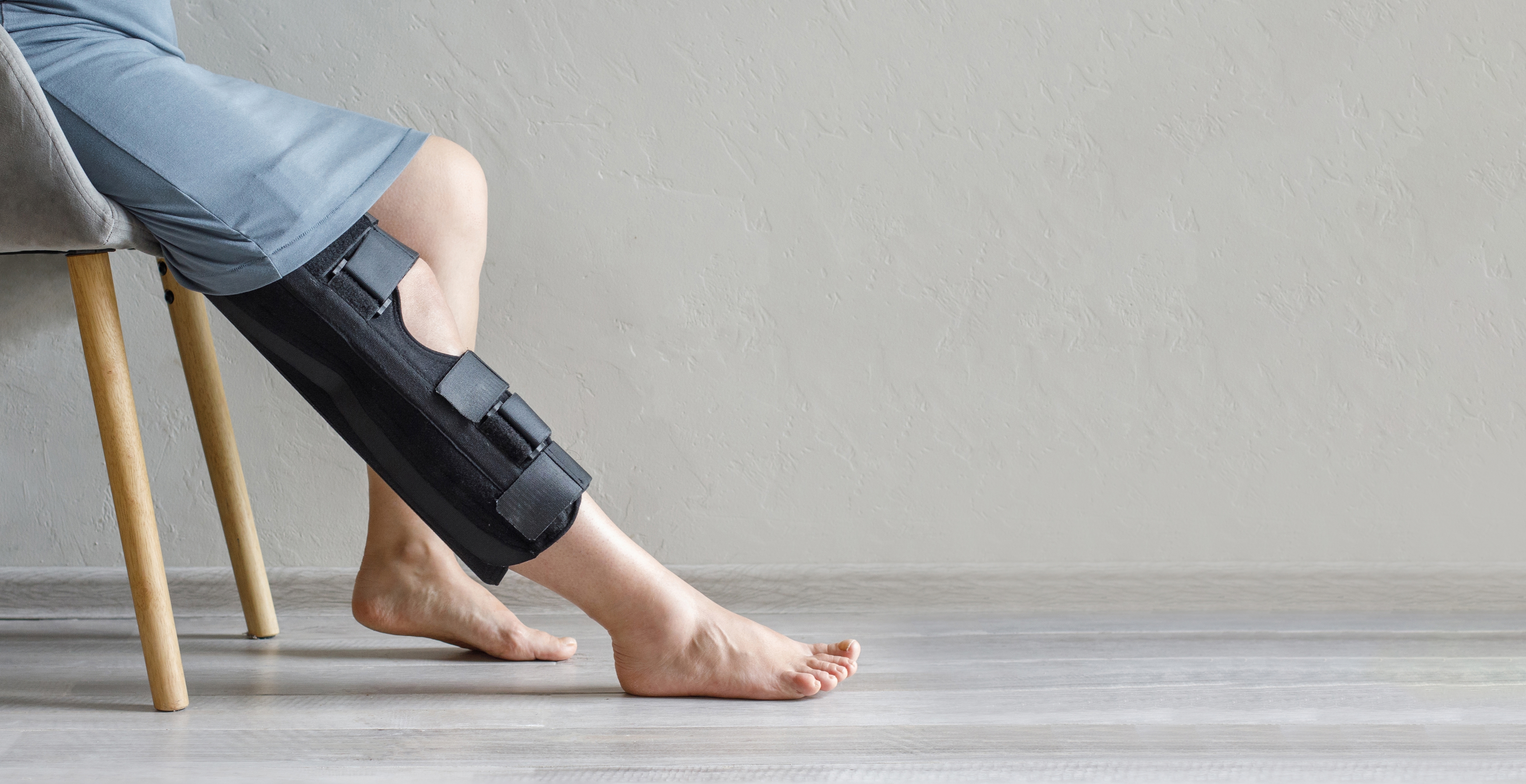
Knee replacement can significantly improve mobility and quality of life, but some patients continue to experience knee pain long after surgery and rehabilitation. When ongoing discomfort is related to persistent inflammation rather than a problem with the implant itself, genicular artery embolization, or GAE, may be worth exploring.
At Midwest Sports and Interventional Spine in Lake Geneva, we offer GAE as a minimally invasive option for certain patients dealing with chronic knee pain, including persistent pain following knee replacement.
Why Can Knee Pain Continue After Replacement?
Persistent pain after knee replacement can have several possible causes. Before considering treatment, it is important to determine why the knee still hurts. Problems involving infection, implant loosening, alignment, instability, or other mechanical concerns may require evaluation by an orthopedic specialist.
In some patients, however, inflammation around the knee continues even when there is no correctable mechanical problem. This persistent inflammatory activity may contribute to pain, stiffness, swelling, and difficulty with daily movement.
How Does GAE Address Knee Pain?
Genicular artery embolization is an image-guided procedure that targets small blood vessels supplying areas of inflammation around the knee. A small catheter is guided through an artery to the affected area, where carefully selected vessels are embolized to reduce excessive blood flow associated with inflammation.
GAE does not replace, reposition, or repair knee replacement components. Instead, its purpose is to address an inflammatory source of pain that may be contributing to ongoing symptoms.
When May GAE Be Worth Exploring?
A consultation for GAE in Lake Geneva may be appropriate when knee pain continues despite adequate recovery time and conservative treatment. We may consider factors such as:
• Persistent knee pain following knee replacement
• Ongoing swelling, stiffness, or tenderness
• Limited improvement with physical therapy or medication
• No identified implant problem requiring corrective surgery
• A preference for exploring a minimally invasive treatment option
Every patient is different, which is why determining the underlying cause of post-knee-replacement pain is an important first step.
What Should You Expect From GAE?
GAE is performed as an outpatient procedure and does not require another joint replacement surgery. A small catheter is advanced under imaging guidance to the blood vessels associated with the painful area. After treatment, patients are monitored briefly before returning home with individualized recovery instructions.
Pain relief is not immediate or guaranteed. Some patients notice changes within days, while improvement may develop gradually over several weeks as inflammation decreases.
Is GAE Right For Your Knee Pain?
GAE is not appropriate for every person experiencing pain after knee replacement. Our goal is to carefully review your symptoms, previous treatments, imaging, and surgical history to determine whether inflammation may be contributing to your discomfort and whether genicular artery embolization is a reasonable option.
If knee pain is still affecting your mobility after knee replacement, schedule a consultation with Midwest Sports and Interventional Spine to find out whether GAE may be appropriate for you. Contact our office in Lake Geneva, WI by calling (262) 299-6199 to book an appointment.

All Services
Learn More
Request an
Appointment
Lake Geneva
- Address: 850 Geneva Pkwy N Suite 100
Lake Geneva, WI 53147 - Phone: (262) 299-6199
Office Hours
- Monday 9:00 AM - 4:00 PM
- Tuesday 9:00 AM - 4:00 PM
- Wednesday 9:00 AM - 4:00 PM
- Thursday 9:00 AM - 4:00 PM
- Friday 9:00 AM - 3:00 PM
- Saturday 9:00 AM - 12:00 PM
- Sunday Closed
Kenosha
- Address: 4824 Green Bay Road
Kenosha, WI 53144 - Phone: (262) 299-6199
Office Hours
- Monday 9:00 AM - 5:00 PM
- Tuesday 9:00 AM - 5:00 PM
- Wednesday 9:00 AM - 5:00 PM
- Thursday 9:00 AM - 5:00 PM
- Friday 8:00 AM - 4:00 PM
- Saturday Closed
- Sunday Closed

© 2026 Midwest Sports and Interventional Spine. All Rights Reserved. Accessibility Statement | Privacy Policy | Sitemap
Powered by:
