

How Herniated Discs Develop and Who’s at Risk
A herniated disc can happen suddenly after strain or develop gradually as the spine changes over time. At Midwest Sports and Interventional Spine, we help patients Lake Geneva and surrounding areas understand why disc problems happen, what increases risk, and when symptoms should be evaluated.
What Is a Herniated Disc?
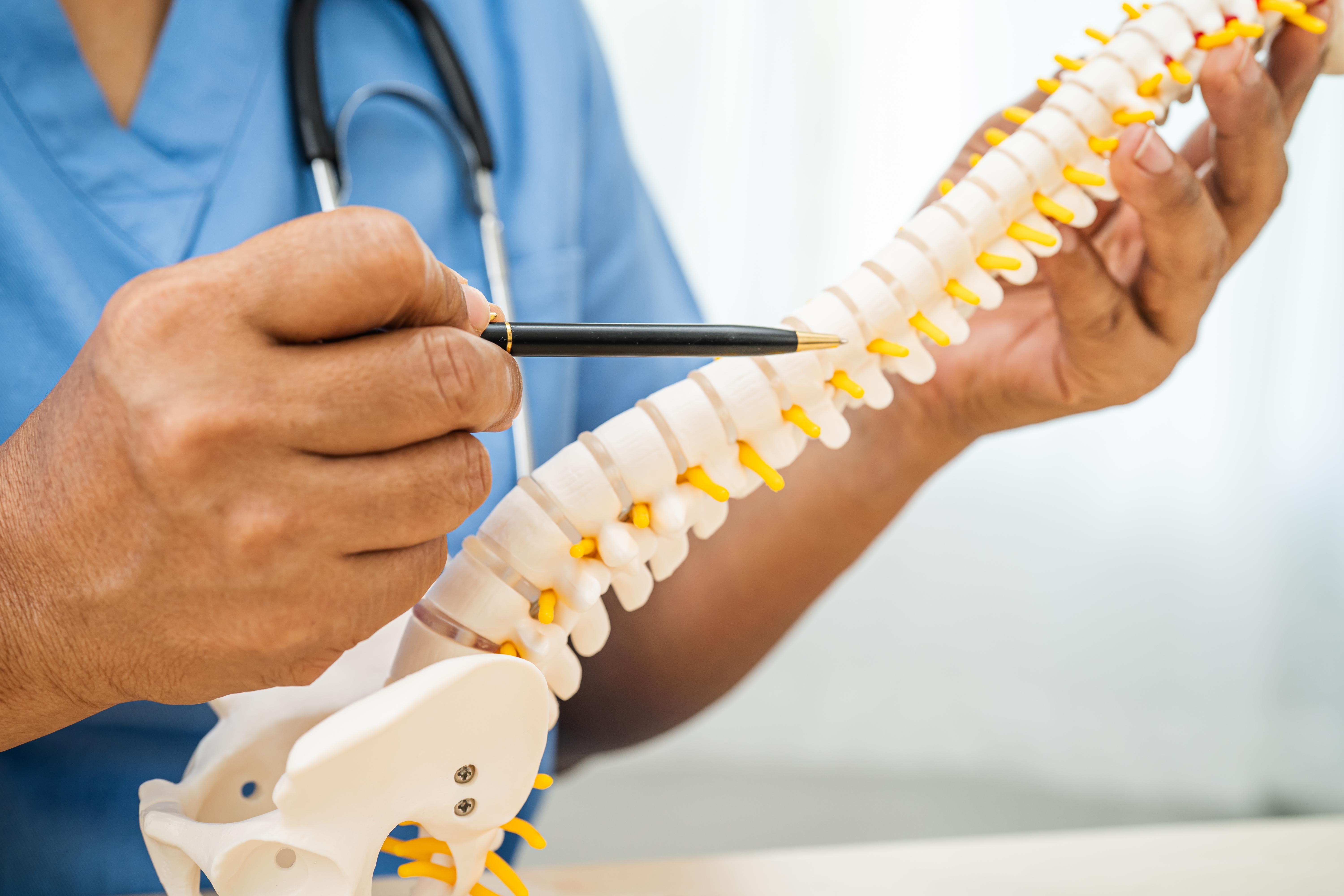
The discs in your spine act like cushions between the vertebrae. Each disc has a tougher outer layer and a softer inner center. A herniated disc develops when part of that inner material pushes through a tear or weak spot in the outer layer. When that happens, the disc can irritate nearby nerves and lead to pain, numbness, tingling, or weakness.
How Herniated Discs Develop
Some herniated discs are linked to a specific injury, such as lifting something heavy with poor body mechanics or making a sudden twisting movement. Others develop more gradually as discs lose moisture and flexibility with age. Over time, normal wear can make the outer portion of the disc more vulnerable to cracking or tearing. We often see that herniated discs are not always caused by one dramatic event. In many cases, daily strain adds up until symptoms become harder to ignore.
Who Is More At Risk
Several factors can raise the risk of developing a herniated disc. Some are related to age, while others are tied to work, movement patterns, and overall spine health.
- Age-related disc degeneration
- Repetitive bending, lifting, or twisting
- Jobs that place stress on the neck or lower back
- Poor lifting mechanics
- Sedentary habits and weak core support
- Excess body weight
- Previous spine injuries
If you have one or more of these risk factors and begin noticing back pain or radiating symptoms, it may be time to seek evaluation in Lake Geneva.
Where Symptoms Often Show Up
A herniated disc can occur in different parts of the spine, but the cervical spine in the neck and the lumbar spine in the lower back are especially common areas. When the problem is in the neck, symptoms may include pain around the shoulder blades or pain, tingling, or numbness into the arm. When the problem is in the lower back, symptoms may travel into the buttock or leg and may resemble sciatica.
When Risk Becomes a Real Problem
Not every disc issue causes severe symptoms right away. Some people try to rest and wait it out, only to find that the pain keeps returning or starts affecting sleep, work, or daily movement. Persistent pain, nerve symptoms, or weakness should not be ignored. Early evaluation can help identify the source of the problem and guide the next steps before symptoms become more limiting.
Personalized Care for Herniated Discs
At Midwest Sports and Interventional Spine, Dr. Philip provides individualized care for herniated disc symptoms. Depending on the location and severity of the issue, treatment may include minimally invasive options, medication management, physical therapy, and activity modification. Our goal is to reduce pain, improve function, and help you return to daily life with better comfort and support.
If you are dealing with herniated disc symptoms, contact Midwest Sports and Interventional Spine to learn more about your treatment options. Visit our office in Lake Geneva, Wisconsin, or call (262) 299-6199 to book an appointment.

All Services
Learn More
Request an
Appointment
Lake Geneva
- Address: 850 Geneva Pkwy N Suite 100
Lake Geneva, WI 53147 - Phone: (262) 299-6199
Office Hours
- Monday 9:00 AM - 4:00 PM
- Tuesday 9:00 AM - 4:00 PM
- Wednesday 9:00 AM - 4:00 PM
- Thursday 9:00 AM - 4:00 PM
- Friday 9:00 AM - 3:00 PM
- Saturday 9:00 AM - 12:00 PM
- Sunday Closed
Kenosha
- Address: 4824 Green Bay Road
Kenosha, WI 53144 - Phone: (262) 299-6199
Office Hours
- Monday 9:00 AM - 5:00 PM
- Tuesday 9:00 AM - 5:00 PM
- Wednesday 9:00 AM - 5:00 PM
- Thursday 9:00 AM - 5:00 PM
- Friday 8:00 AM - 4:00 PM
- Saturday Closed
- Sunday Closed

© 2026 Midwest Sports and Interventional Spine. All Rights Reserved. Accessibility Statement | Privacy Policy | Sitemap
Powered by:
