

Herniated Disc vs. Spinal Stenosis: What's the Difference?
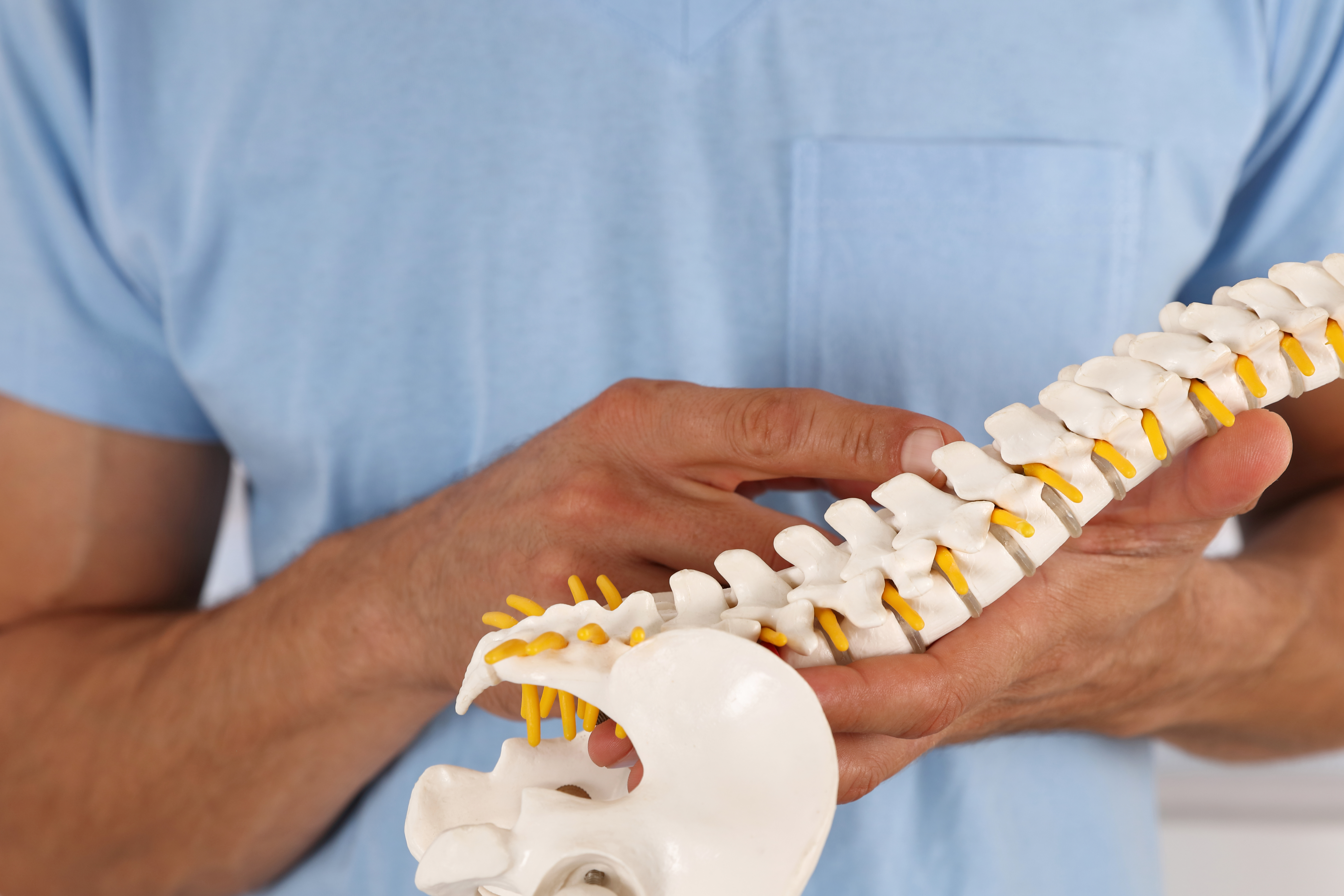
Back pain, leg discomfort, and nerve-related symptoms can have several underlying causes. Two common spinal conditions are herniated discs and spinal stenosis. Although they can produce similar symptoms, they affect the spine differently and may require different treatment approaches. At Midwest Sports and Interventional Spine, we help patients in Lake Geneva, WI, understand their symptoms and explore appropriate pain management options.
What Is a Herniated Disc?
A herniated disc occurs when the soft inner portion of a spinal disc pushes through a weakened or torn area of its outer layer. This can irritate or compress nearby nerves, causing pain and other symptoms.
Herniated discs commonly develop in the lower back or neck. They may result from an injury, repetitive strain, or age-related disc degeneration. When a herniated disc affects a nerve in the lower back, it can cause sciatica, with pain traveling through the buttock and down one leg.
What Is Spinal Stenosis?
Spinal stenosis occurs when spaces within the spine narrow, potentially placing pressure on the spinal cord or nerve roots. This narrowing often develops gradually due to arthritis, thickened ligaments, bone spurs, or degenerative disc changes.
Unlike a herniated disc, which involves displaced disc material, spinal stenosis involves reduced space around spinal nerves. Lumbar spinal stenosis commonly causes leg discomfort during standing or walking, with symptoms sometimes improving when sitting or leaning forward.
How Do the Symptoms Compare?
Both conditions can cause back pain and nerve-related discomfort, but certain symptom patterns may help distinguish them.
• Herniated disc: Often causes sharp or radiating pain, sometimes affecting one arm or leg.
• Spinal stenosis: May cause aching, numbness, or leg heaviness that worsens during prolonged standing or walking.
• Shared symptoms: Both conditions can produce tingling, muscle weakness, and reduced mobility.
• Symptom progression: Herniated disc symptoms may develop suddenly, while degenerative spinal stenosis typically develops gradually.
Because these symptoms overlap, a professional evaluation is important for identifying the underlying cause.
How We Diagnose Spinal Conditions
At Midwest Sports and Interventional Spine in Lake Geneva, WI, we begin by reviewing your medical history, symptoms, and physical examination findings. We assess your mobility, strength, reflexes, and signs of nerve involvement.
When necessary, imaging studies such as MRI can help identify disc herniation, spinal narrowing, or other structural changes. Our goal is to understand what is contributing to your discomfort before recommending treatment.
Treatment Options for Herniated Discs and Spinal Stenosis
We offer individualized pain management in Lake Geneva, WI, with an emphasis on minimally invasive treatment options. For herniated discs, treatment may include physical therapy, medication management, activity modifications, and epidural steroid injections to help reduce inflammation around irritated nerves.
For spinal stenosis, we may recommend epidural steroid injections or evaluate whether minimally invasive procedures such as MILD®, Vertiflex™, or the Minute Man procedure are appropriate. These procedures address specific causes of spinal narrowing and are not suitable for every patient. Treatment depends on your diagnosis, symptom severity, and overall spinal health. N
If persistent back pain, sciatica, or difficulty walking is affecting your daily activities, schedule an evaluation with Midwest Sports and Interventional Spine to explore personalized treatment options. Visit our office in Lake Geneva, WI, or call (262) 299-6199 to request an appointment today.

All Services
Learn More
Request an
Appointment
Lake Geneva
- Address: 850 Geneva Pkwy N Suite 100
Lake Geneva, WI 53147 - Phone: (262) 299-6199
Office Hours
- Monday 9:00 AM - 4:00 PM
- Tuesday 9:00 AM - 4:00 PM
- Wednesday 9:00 AM - 4:00 PM
- Thursday 9:00 AM - 4:00 PM
- Friday 9:00 AM - 3:00 PM
- Saturday 9:00 AM - 12:00 PM
- Sunday Closed
Kenosha
- Address: 4824 Green Bay Road
Kenosha, WI 53144 - Phone: (262) 299-6199
Office Hours
- Monday 9:00 AM - 5:00 PM
- Tuesday 9:00 AM - 5:00 PM
- Wednesday 9:00 AM - 5:00 PM
- Thursday 9:00 AM - 5:00 PM
- Friday 8:00 AM - 4:00 PM
- Saturday Closed
- Sunday Closed

© 2026 Midwest Sports and Interventional Spine. All Rights Reserved. Accessibility Statement | Privacy Policy | Sitemap
Powered by:
