

Common Causes of Sciatic Pain and When to See a Specialist
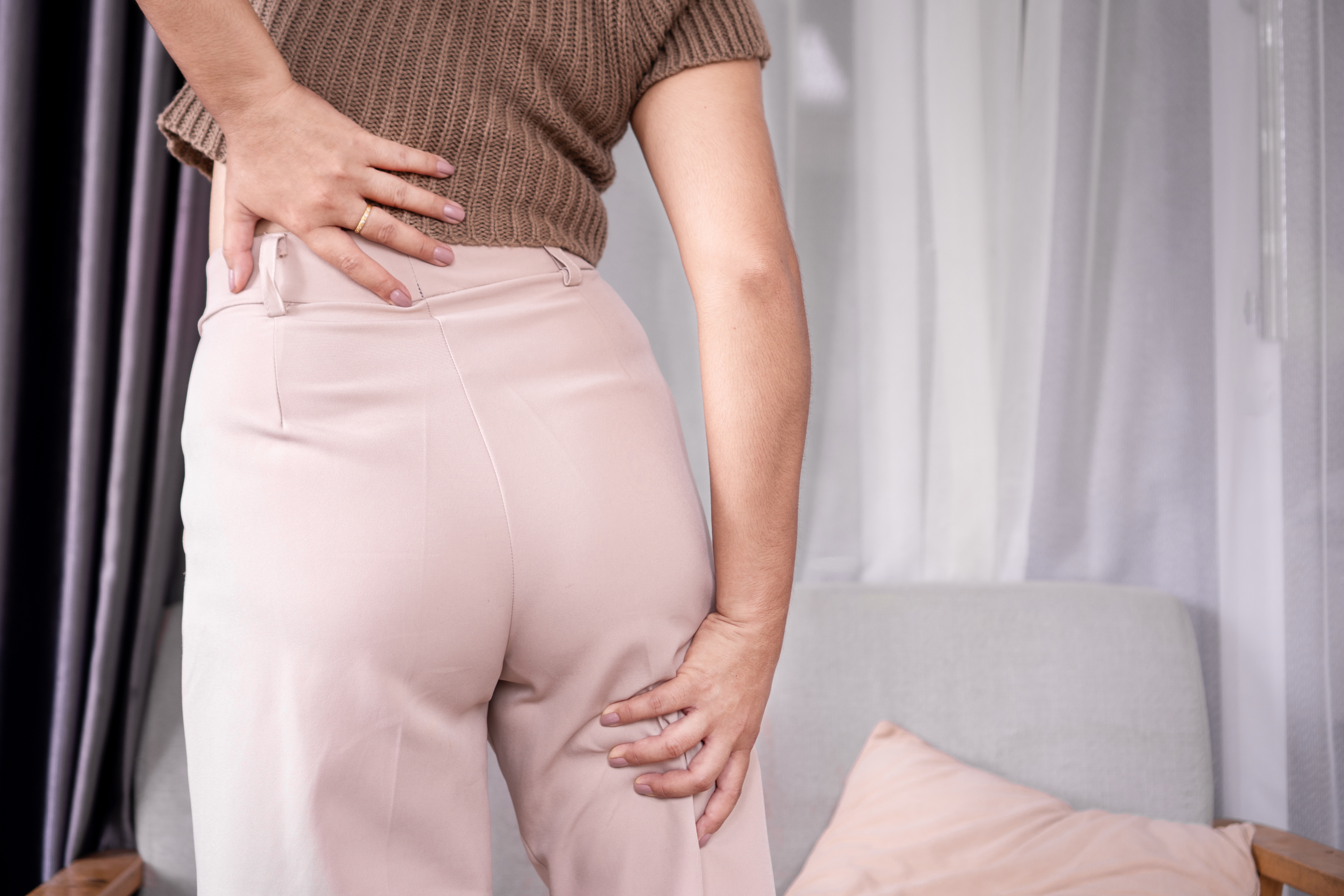
Sciatic pain can make everyday movement difficult. It often starts in the lower back or hip and travels down the leg, sometimes with numbness, tingling, or weakness. For patients in Lake Geneva, understanding what causes sciatic pain is an important first step toward finding the right treatment. Sciatica is not a condition by itself - it is a symptom of irritation or compression affecting the sciatic nerve. Because several spine and nerve issues can cause similar symptoms, an accurate diagnosis matters.
Herniated Discs and Nerve Compression
One of the most common causes of sciatic pain is a herniated disc. When a spinal disc shifts or ruptures, it can press on a nearby nerve root and trigger pain that radiates into the buttock, thigh, or calf. This type of pain may worsen when sitting, bending, or lifting.
Patients with disc-related sciatica often describe sharp, shooting pain on one side of the body. Some also notice muscle weakness or difficulty standing for long periods.
Spinal Stenosis and Degenerative Changes
Sciatic pain can also develop from spinal stenosis, which is a narrowing of the spaces in the spine. This narrowing may place pressure on nerves and lead to leg pain, heaviness, or cramping. Age-related wear and tear, arthritis, and degenerative disc changes can all contribute to this problem.
For many adults, symptoms develop gradually rather than suddenly. Pain may flare during walking or standing and ease somewhat with sitting or leaning forward.
Other Possible Causes of Sciatica
Several issues can contribute to sciatic pain, including:
- Herniated or bulging discs
- Spinal stenosis
- Degenerative disc disease
- Piriformis syndrome
- Spondylolisthesis
- Injury or inflammation affecting the lower back and pelvis
Because symptoms can overlap, identifying the exact source of pain is key to building an effective treatment plan.
When to See a Specialist
Mild sciatic pain may improve with rest, activity modification, or conservative care. However, it is time to see a specialist if pain lasts more than a few weeks, keeps returning, or starts affecting work, sleep, or mobility.
You should also seek prompt evaluation if sciatic pain is paired with worsening weakness, persistent numbness, balance issues, or severe pain that limits daily function. Dr. Cyril Philip can assess whether the problem is related to discs, joints, muscles, or nerve compression and recommend targeted treatment.
Why Early Evaluation Is Essential
Getting care early can help prevent symptoms from becoming more severe or long lasting. At Midwest Sports and Interventional Spine, patients in Lake Geneva can receive a thorough evaluation and treatment plan designed around the source of their sciatic pain. Early care may improve comfort, function, and long-term recovery.
For expert evaluation and treatment of sciatic pain, contact Midwest Sports and Interventional Spine to schedule a consultation today. Visit our office in Lake Geneva, Wisconsin, or call (262) 299-6199 to book an appointment.

All Services
Learn More
Request an
Appointment
Lake Geneva
- Address: 850 Geneva Pkwy N Suite 100
Lake Geneva, WI 53147 - Phone: (262) 299-6199
Office Hours
- Monday 9:00 AM - 4:00 PM
- Tuesday 9:00 AM - 4:00 PM
- Wednesday 9:00 AM - 4:00 PM
- Thursday 9:00 AM - 4:00 PM
- Friday 9:00 AM - 3:00 PM
- Saturday 9:00 AM - 12:00 PM
- Sunday Closed
Kenosha
- Address: 4824 Green Bay Road
Kenosha, WI 53144 - Phone: (262) 299-6199
Office Hours
- Monday 9:00 AM - 5:00 PM
- Tuesday 9:00 AM - 5:00 PM
- Wednesday 9:00 AM - 5:00 PM
- Thursday 9:00 AM - 5:00 PM
- Friday 8:00 AM - 4:00 PM
- Saturday Closed
- Sunday Closed

© 2026 Midwest Sports and Interventional Spine. All Rights Reserved. Accessibility Statement | Privacy Policy | Sitemap
Powered by:
